







Project completed: P094_Ghana
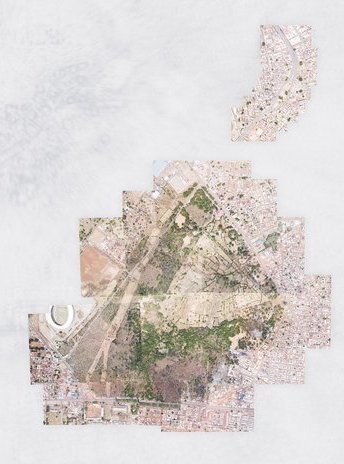
Tamale's Inner Urban Ecologies
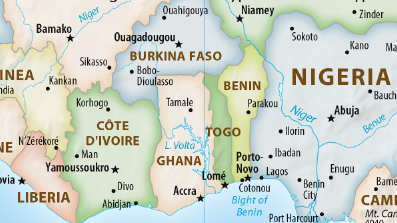
Cooperating countries: Ghana and Austria
Coordinating institution: University of Applied Arts Vienna, Baerbel Mueller, baerbel.mueller@uni-ak.ac.at
Partner institutions: University of Development Studies
Project duration: 1 September 2023 - 31 August 2025
Budget: EUR 20.000
Abstract:
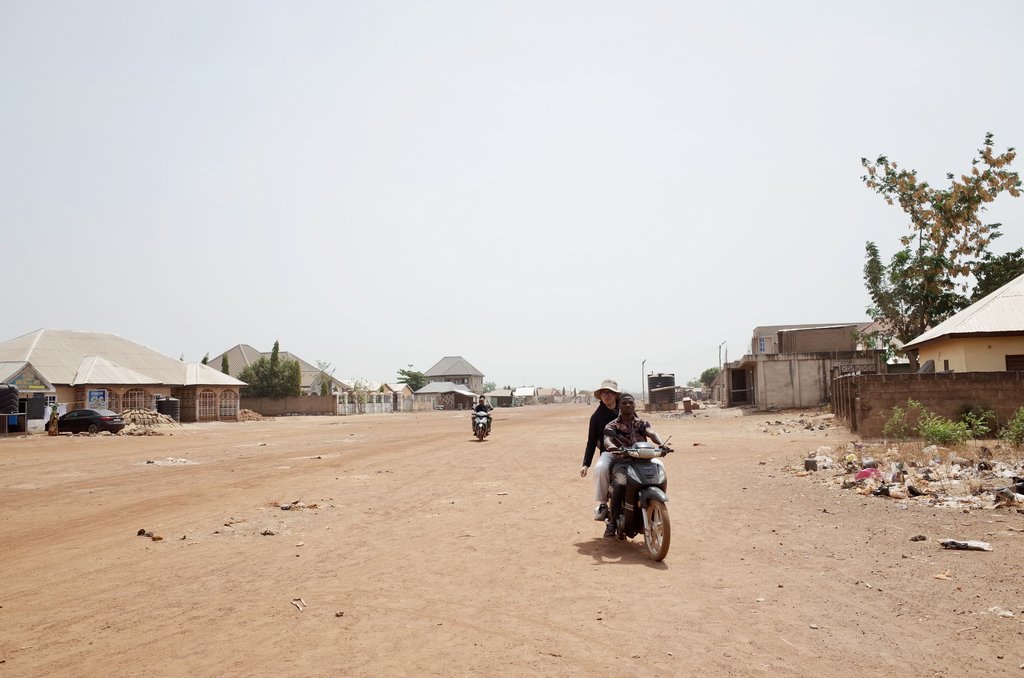
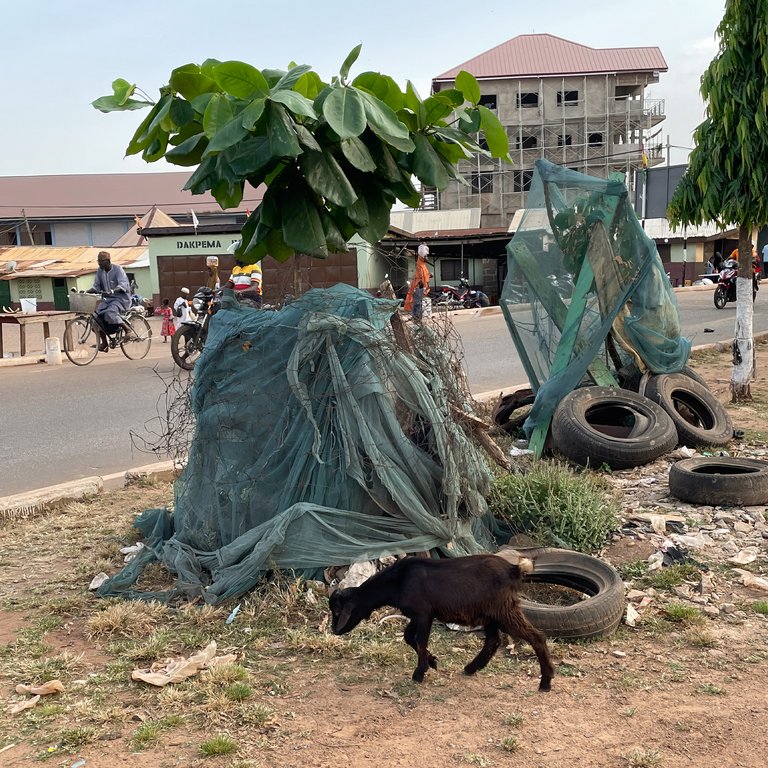
Tamale’s Inner Urban Ecologies (TIUE) is a collaborative research project investigating the ecological, spatial, and socio-cultural dynamics of Tamale, one of the fastest-growing cities in West Africa. Drawing on Anna Tsing’s articulation of “third nature” as the emergent life forms and interactions that develop within and around human-made landscapes, the project highlights how open spaces can host diverse multispecies practices when their rhythms and activities are carefully observed. Through this lens, TIUE approaches inner-urban Tamale as a living ecology, rather than a space defined primarily by extraction, optimization, or formal planning.
The project aims to identify the complex spatial, environmental, and socio-economic structures shaping Tamale’s inner urban open spaces and to explore their potential as inclusive co-habitation areas. These dynamics are examined through three selected sites in the city, serving as case studies to inform more inclusive, multispecies urban development in the near future. Building upon the collaborative groundwork established through Tamale Territories (2020–2023), TIUE synthesizes spatial and artistic research (University of Applied Arts Vienna), scientific and community-oriented perspectives (University for Development Studies, Ghana), and visual inquiry (Nuku Studio). Through this interdisciplinary framework, the project develops new ways of understanding rapidly changing West African urban environments by foregrounding ecological attentiveness, multispecies interactions, and lived practices within the city.
Summary of Project Activities:
Tamale, like many fast-growing cities in West Africa, is undergoing rapid spatial, demographic, and ecological change. TIUE investigates how ecological dynamics, spatial structures, and socio-cultural relationships shape the city’s inner urban landscapes, drawing on Anna Tsing’s notion of third nature to understand these environments as spaces where multiple species and practices converge.
The project focuses on three case-study sites to explore how open urban areas function as multispecies assemblages, contributing to everyday forms of human and animal appropriation, cultural practices, vegetation dynamics, water flows, and soil conditions. These sites, each with distinct historical trajectories, serve as focal points to examine spatial, ecological, and social interactions and to identify potentials for more inclusive co-habitation and alternative urban planning.
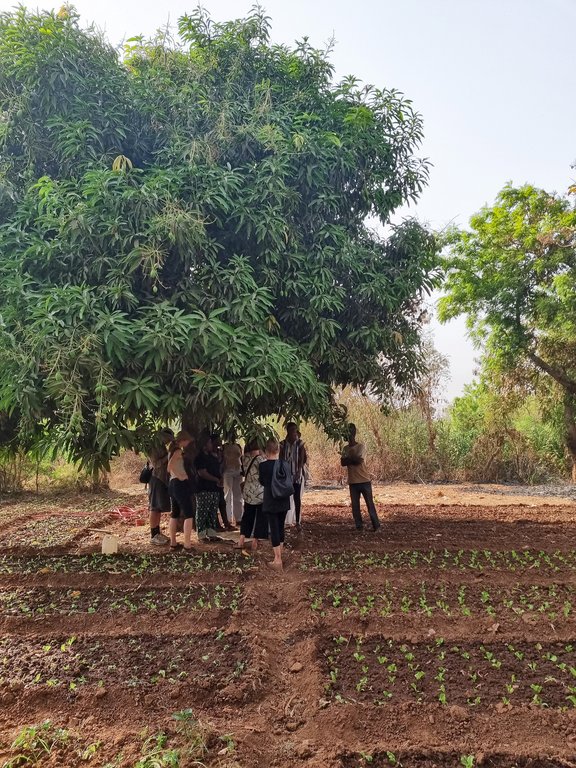
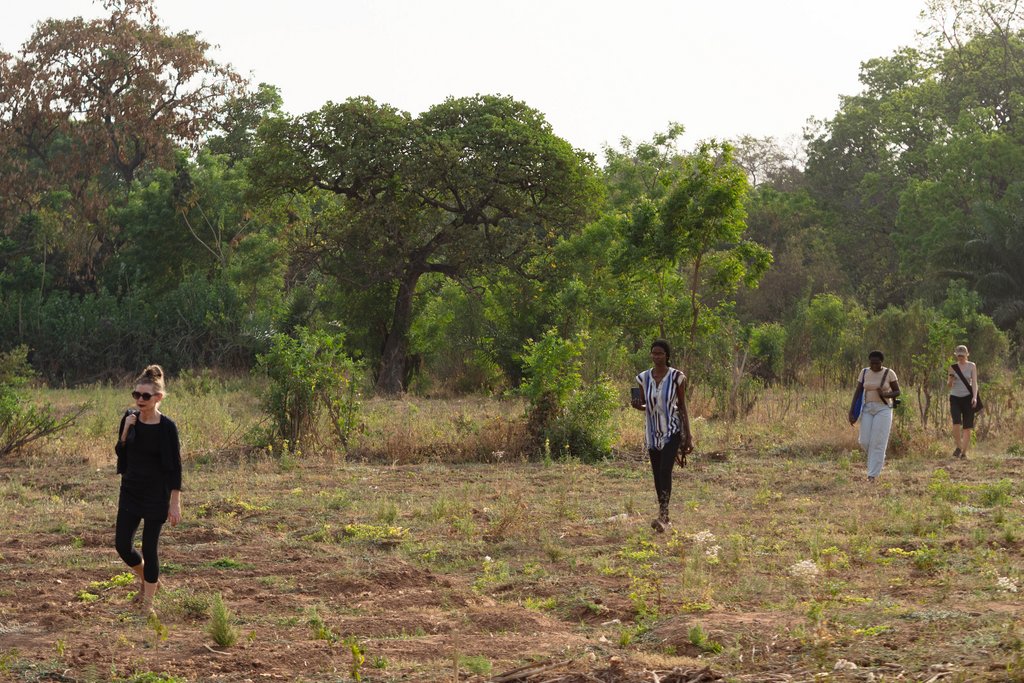
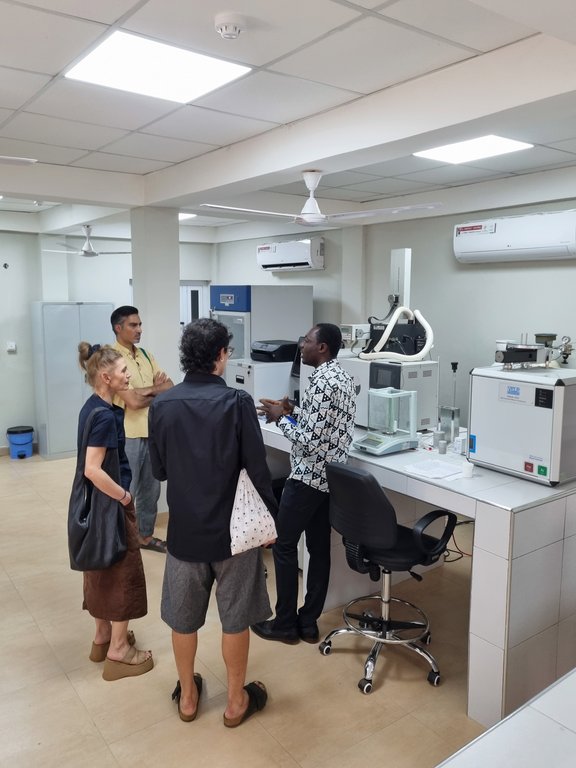
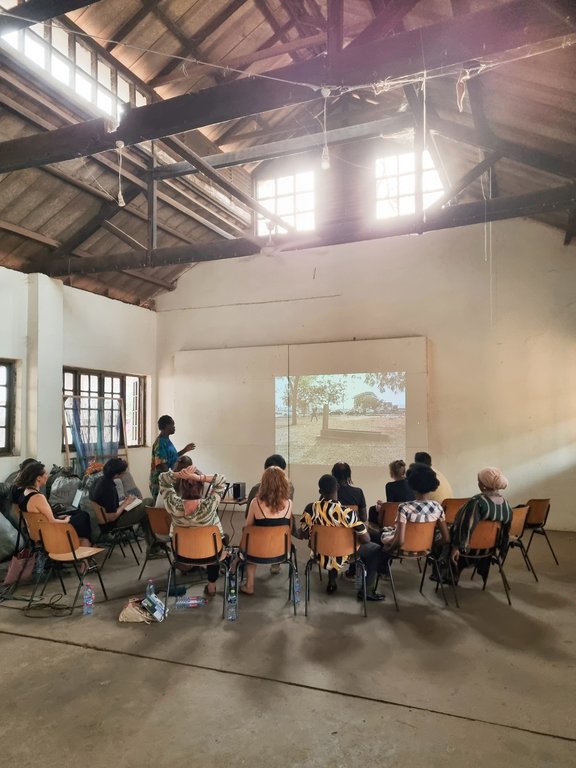
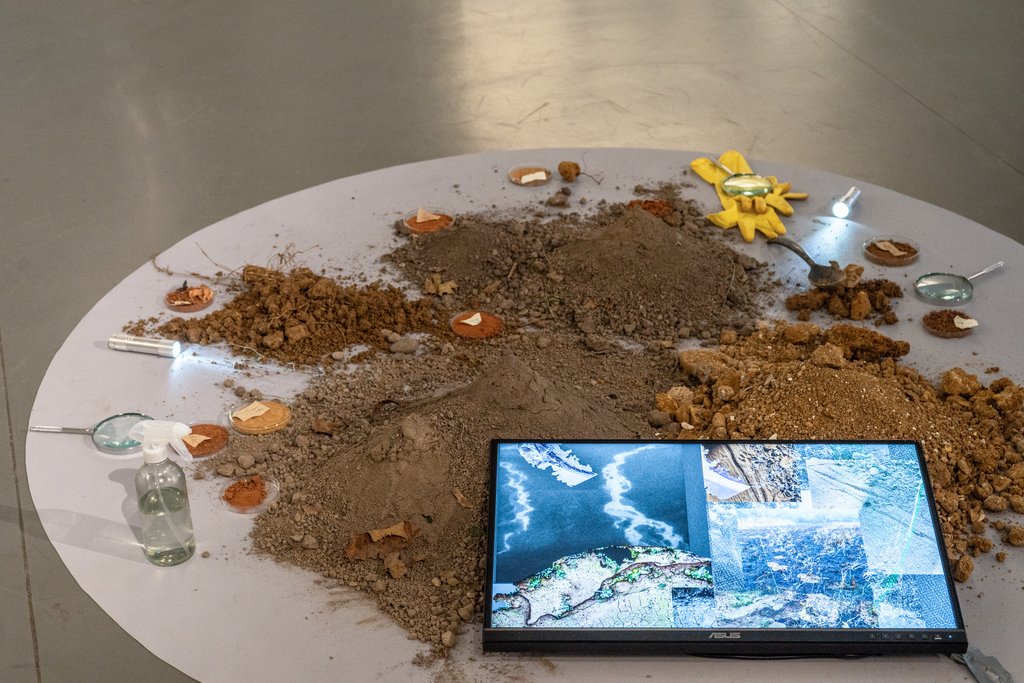
Research activities included site selection, archival work, and documentation of ecological and cultural conditions. Collaborative fieldwork with students and young artists examined soil ecologies, vegetation, soundscapes, and non-human ways of navigating the city. Storytelling through photography, sound, and film, combined with interviews with community members, enriched the understanding of local knowledge, practices, and urban transformations.
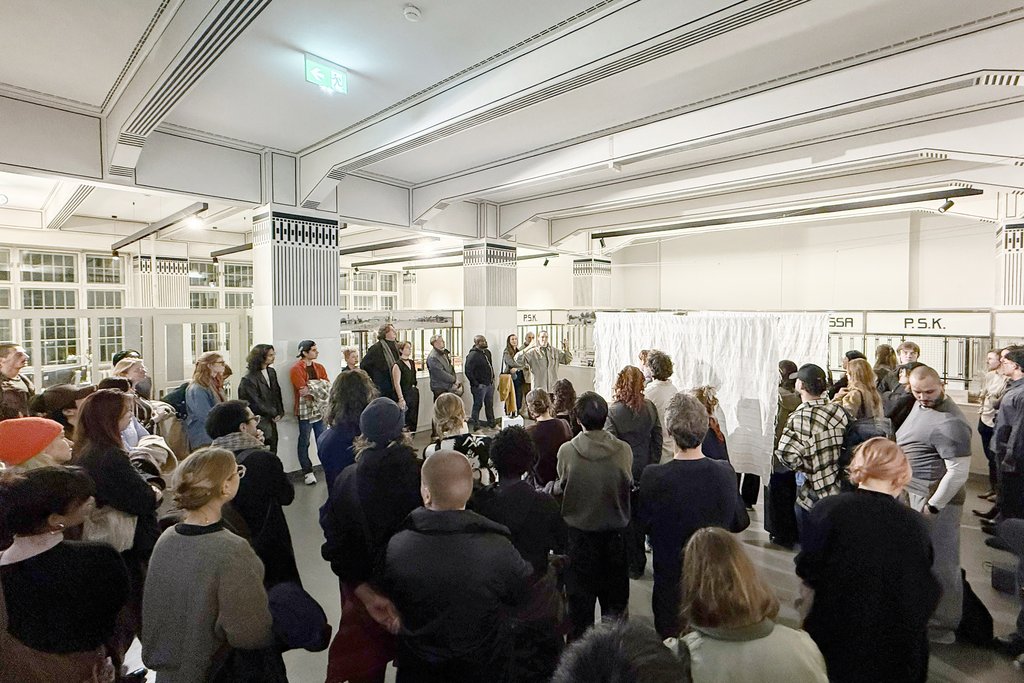
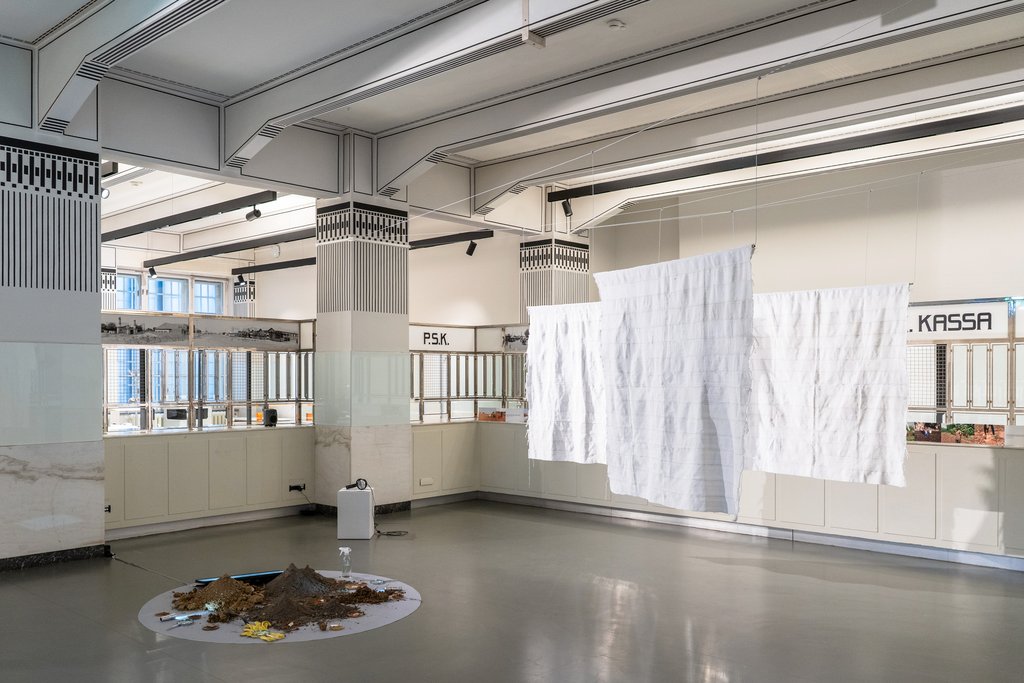
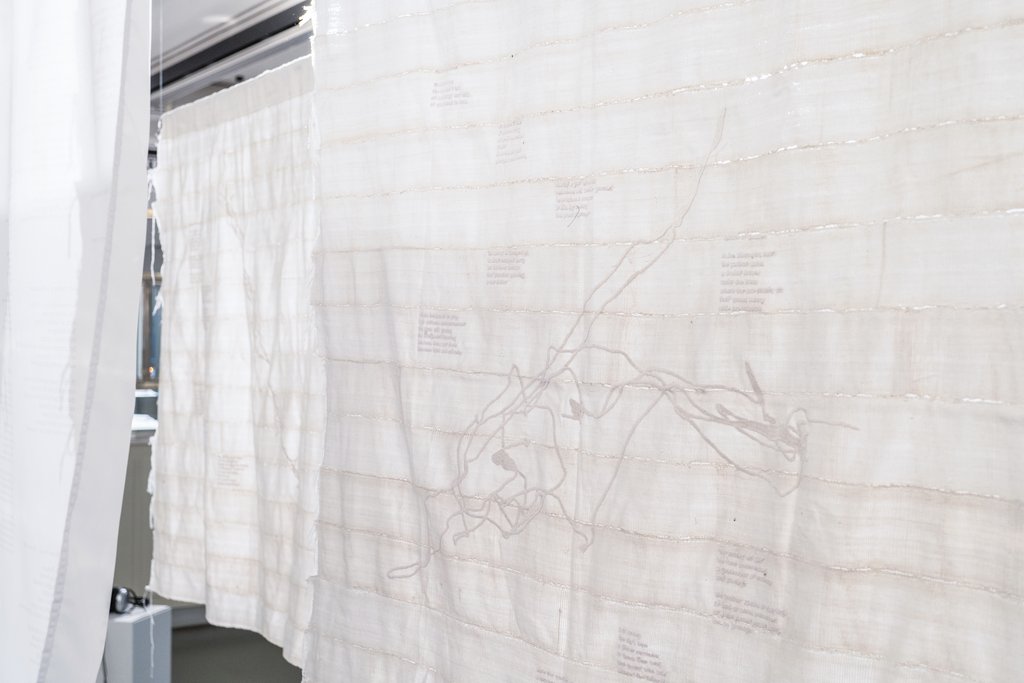
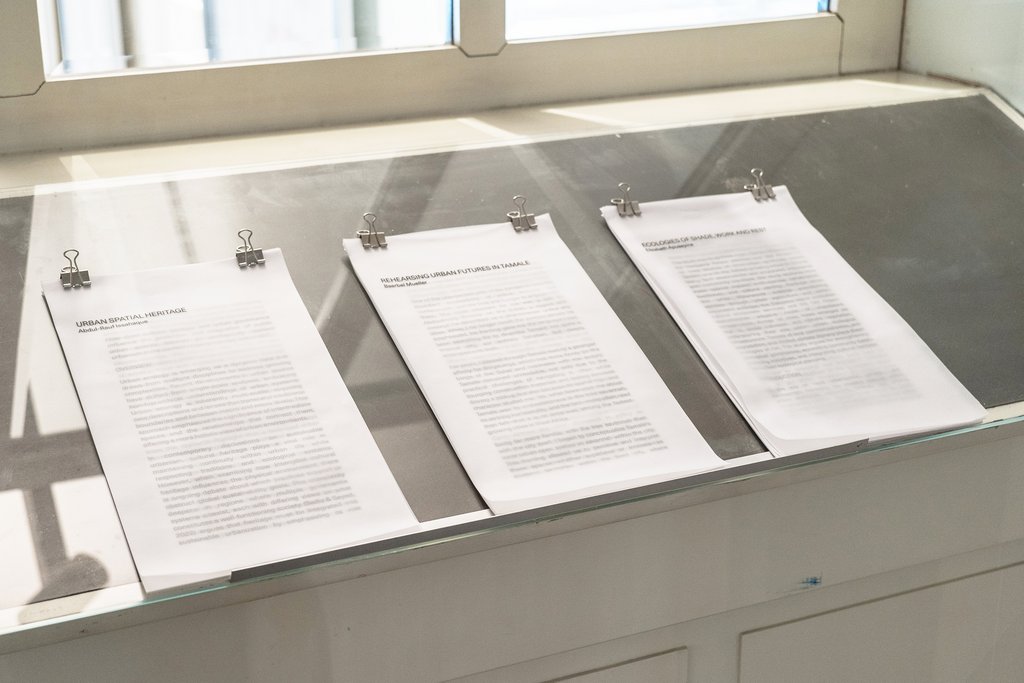
Findings were shared through two public exhibitions: at Nuku Studio in Tamale (February 2025) and at the Otto Wagner Postsparkasse in Vienna (October 2025), engaging experts and a broader audience.
By integrating ecological observation, artistic practice, and applied research, TIUE strengthens academic collaboration between Austria and Ghana while contributing to broader debates on how multispecies urban futures can be imagined and sustained in rapidly changing environments.